The Museum

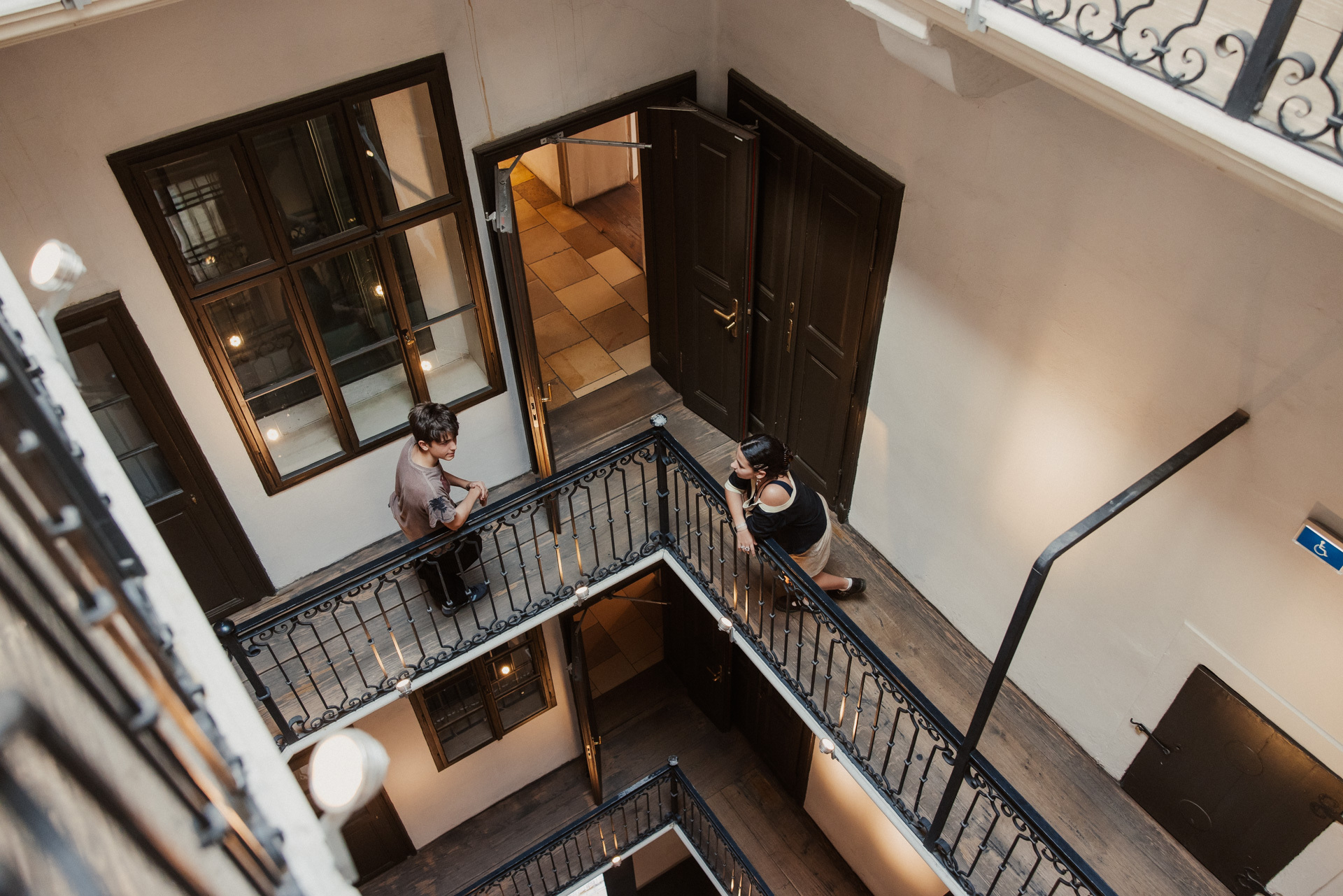
Mozarthaus Vienna at Domgasse 5 is the only preserved Viennese apartment of Mozart – and the place where he lived and worked from 1784 to 1787 at the height of his creative powers. This is where “Le Nozze di Figaro,” three of the Haydn Quartets, and many other works that shaped music history were created.

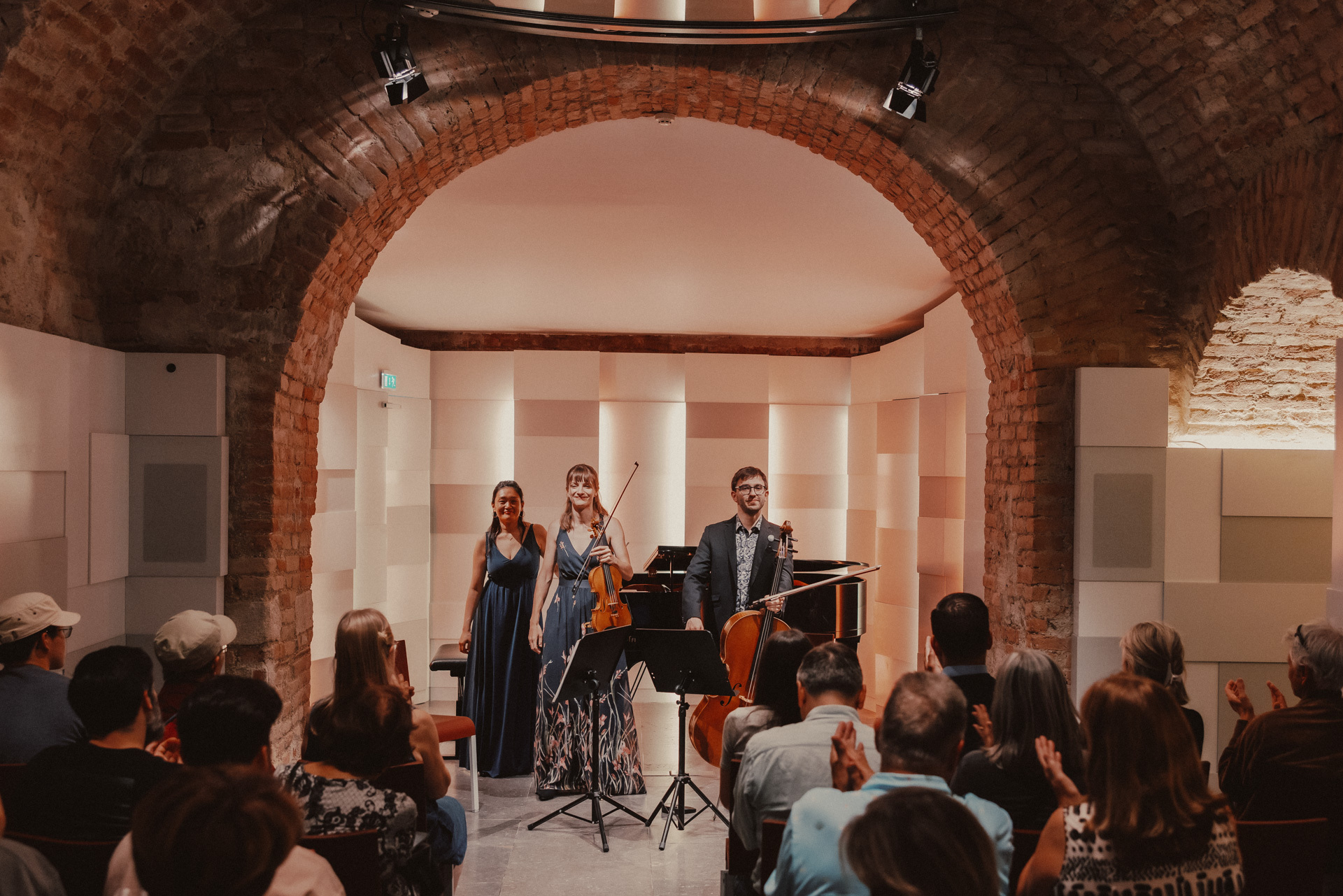
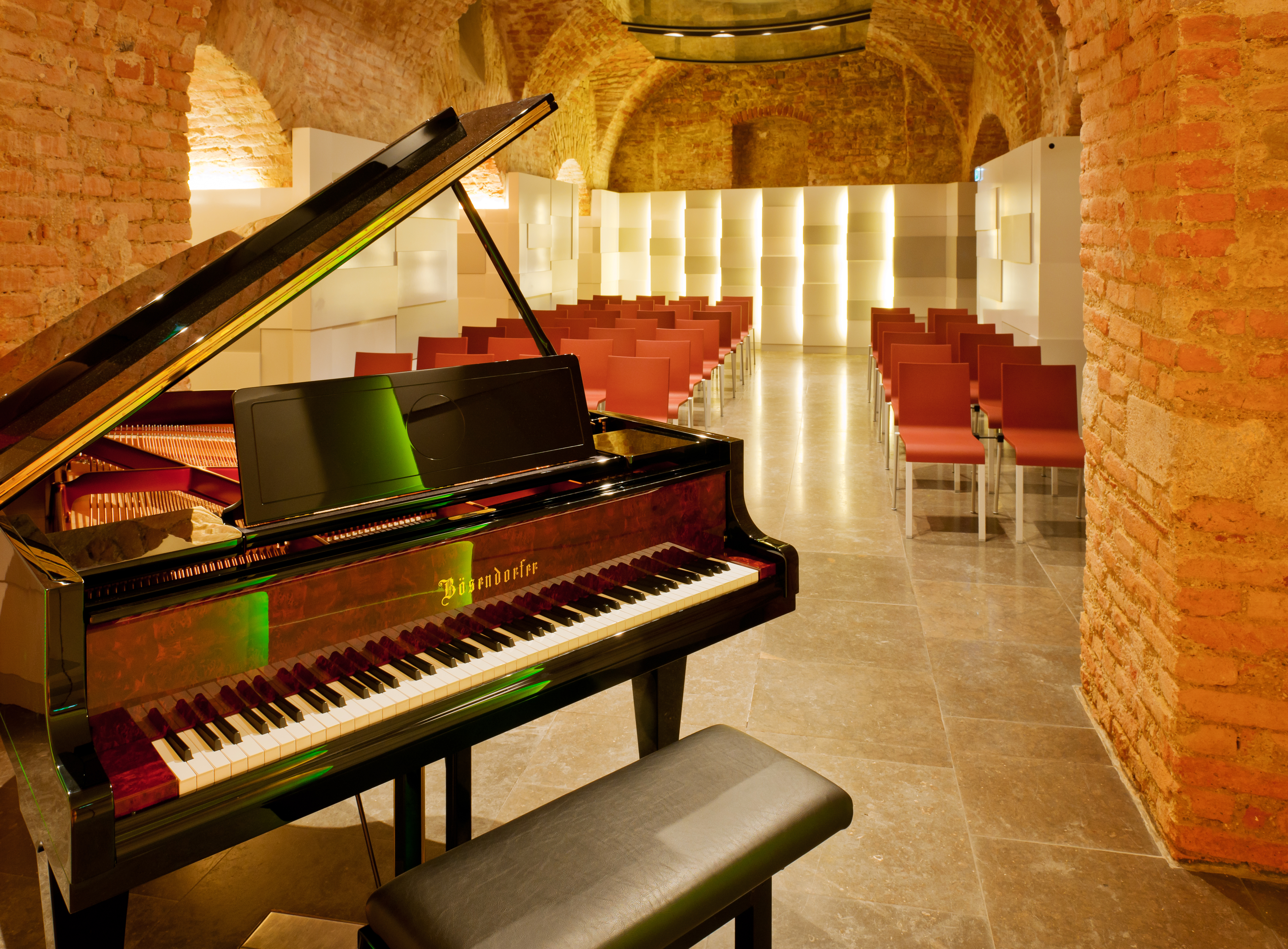
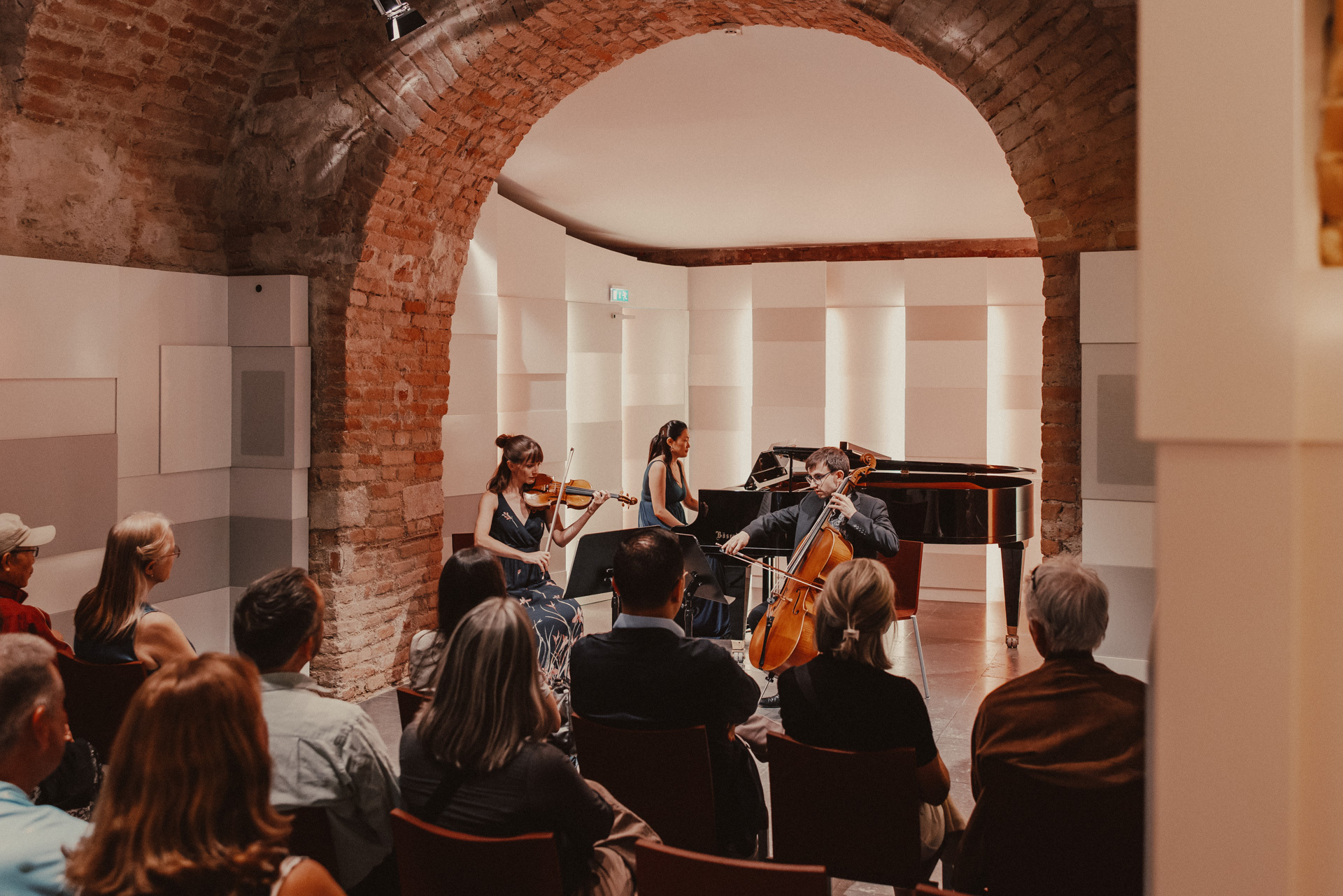
The museum tells the story of Mozart’s life and work with a special focus on his Viennese years from 1781 to 1791 – right in the heart of the city, not far from St. Stephen’s Cathedral. In addition to the historic apartment, it offers an in‑depth exploration of Mozart’s most important works and his era. A museum shop, concert hall, and the Figaro Lounge complement the experience as spaces for concerts, events, and private functions.

The building itself has a long history – long before Mozart moved in. Originally a two‑storey townhouse from the 15th century, it received the appearance Mozart encountered in 1784 around 1716 under master mason Andrea Simone Carove. His successor, court stucco artist Albert Camesina, shaped the house so profoundly that it is still known today as the “Camesina House.”

Mozart’s 250th birthday in 2006 prompted a comprehensive renovation. On 27 January 2006, the Mozarthaus Vienna as it exists today was opened – covering around 1,000 m² dedicated to the ten years Mozart spent in Vienna.

Wien Museum Online Sammlung 95090 1 2
K6 A6732 1 k01 low Res
DSCF6001 1 k01 low Res
K6 A5102 1 k01 low Res

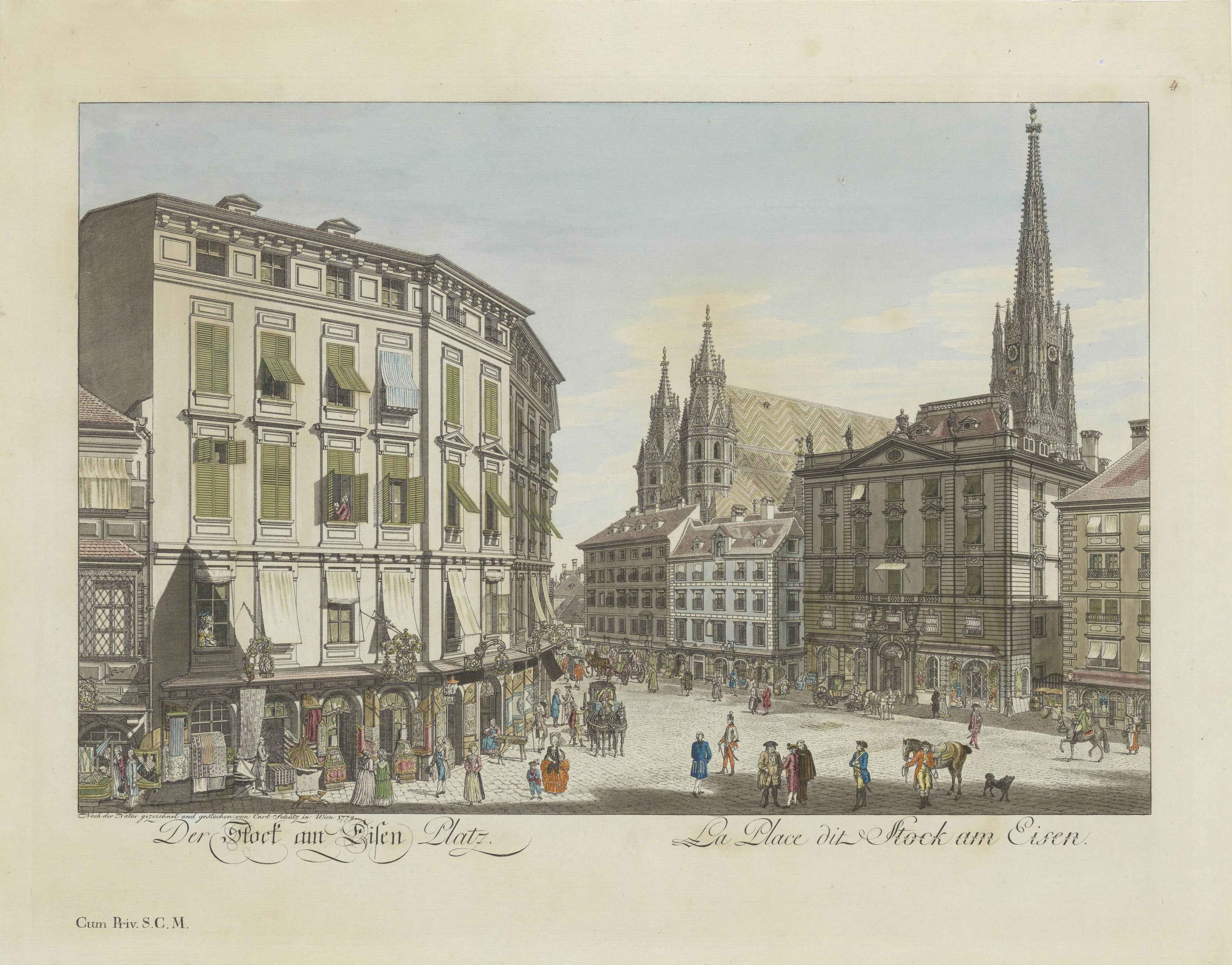
Mozart's Vienna

“... I assure you that this is a magnificent place ...”
Wolfgang Amadé Mozart, letter to Leopold Mozart, 4 April 1781

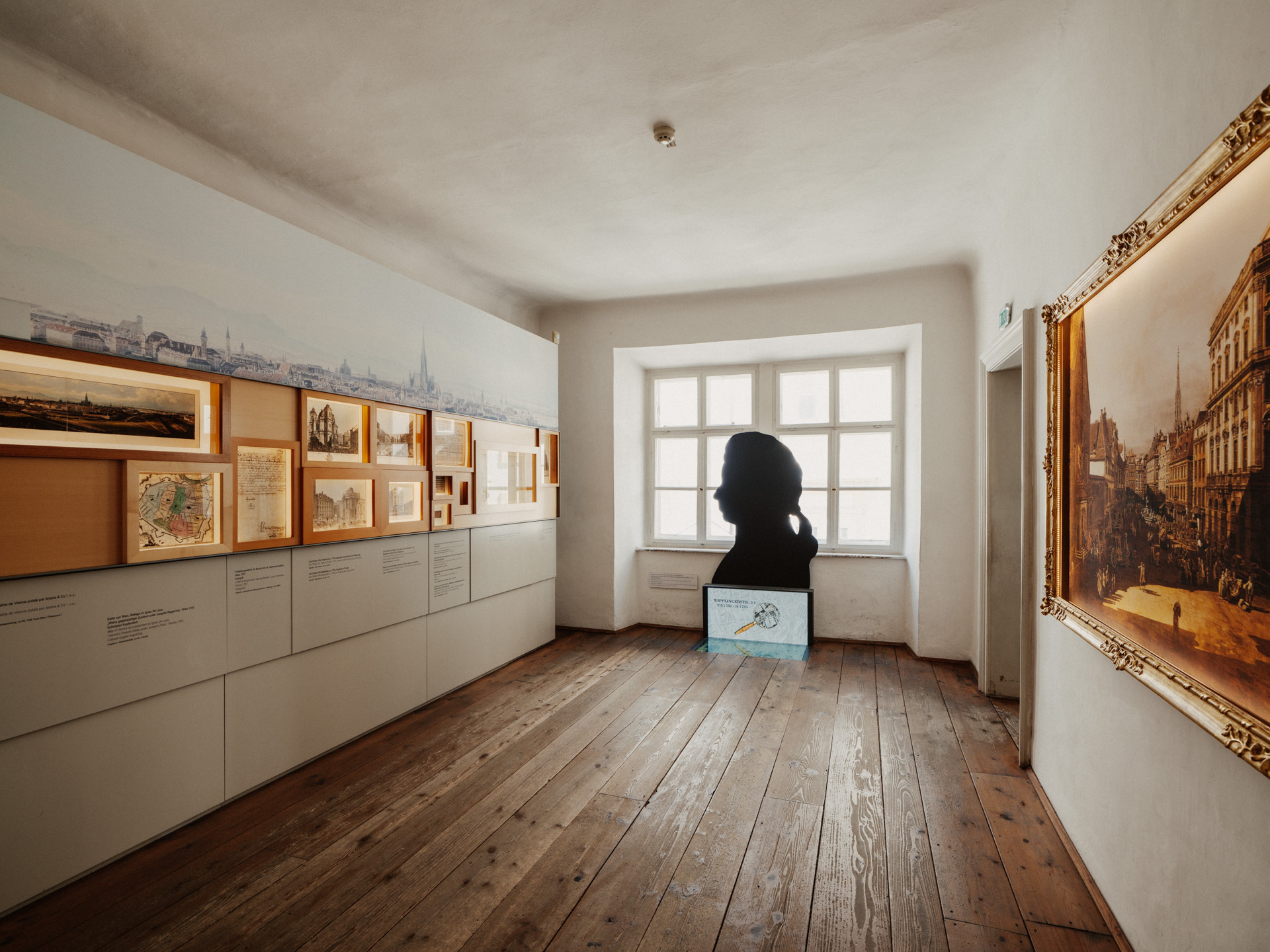
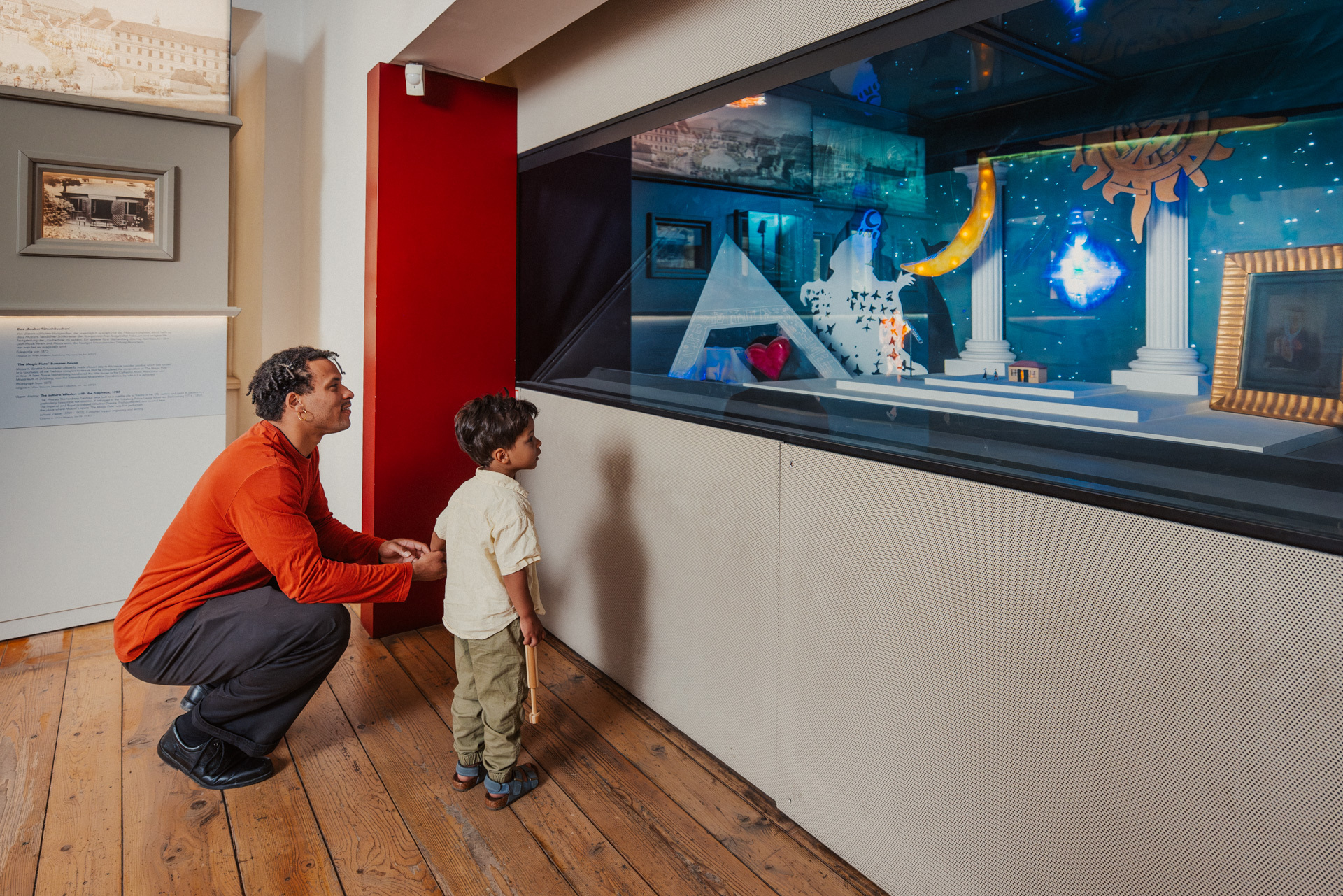
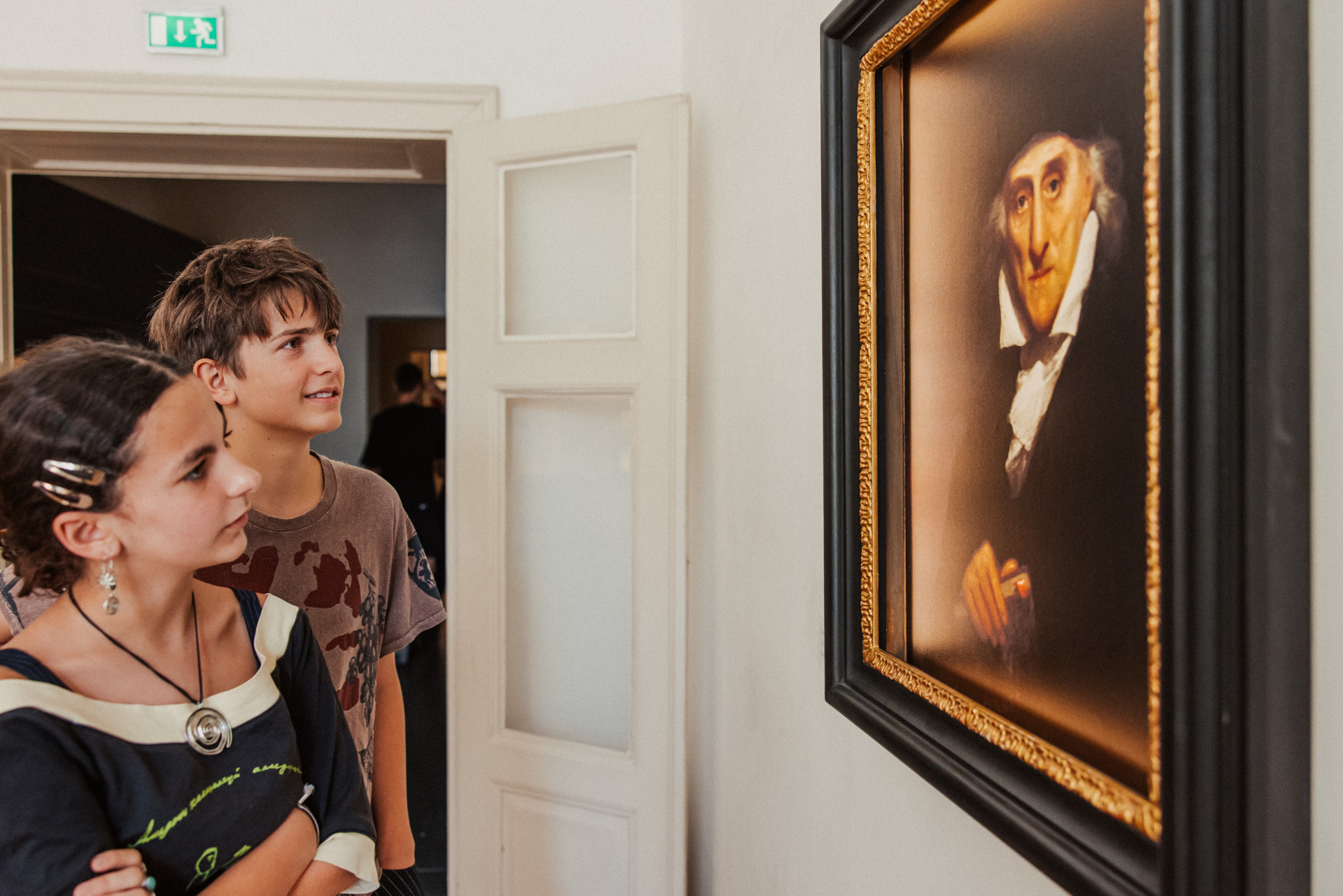
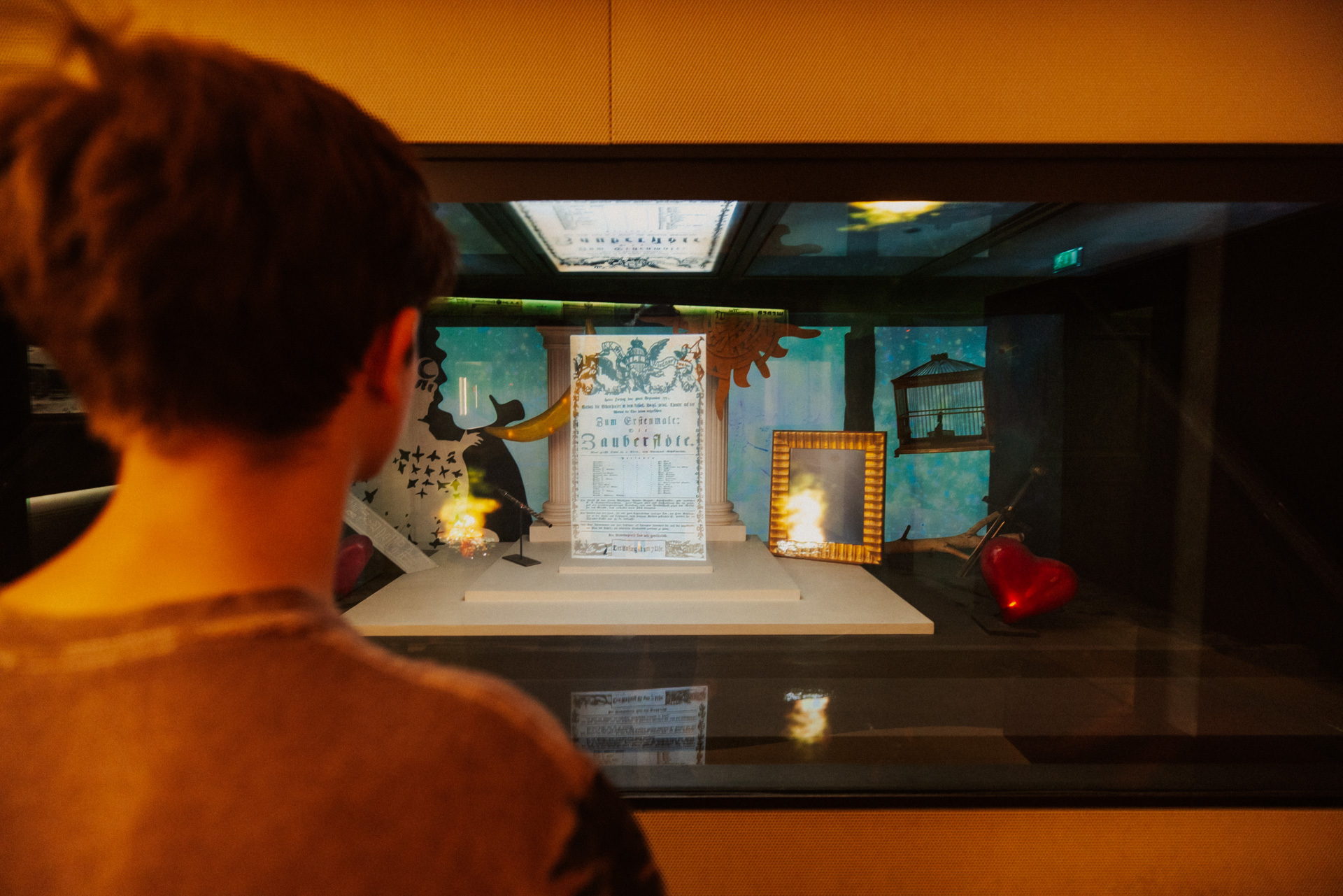
What captivated Mozart about Vienna becomes clear on the 3rd floor: here you encounter his personal and social world – the people who shaped him, the ideas that moved him, and the Vienna that inspired him.

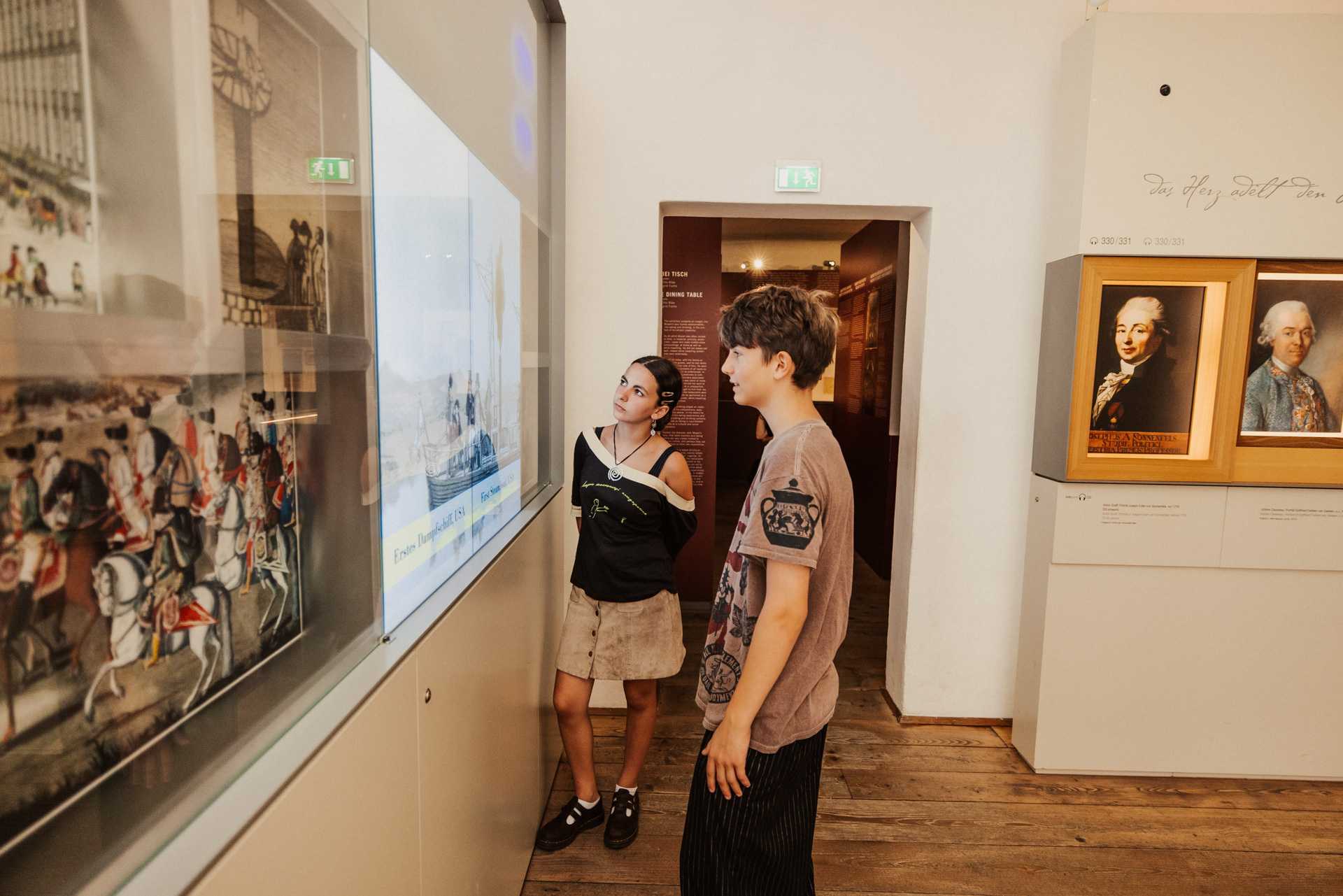
The exhibition highlights Mozart’s most important companions, the political and social upheavals of his time, and his connection to the intellectual world of the Freemasons. And it shows Mozart as a social being: enthusiastic about balls, gambling, fashion, literature, and science.

K6 A3399 1 k01 low Res
K6 A5330 1 k01 low Res
K6 A5676 1 k01 low Res
K6 A5848 1 k01 low Res

Mozart's Music

“... and for my profession the best place in the world”
Wolfgang Amadé Mozart about Vienna

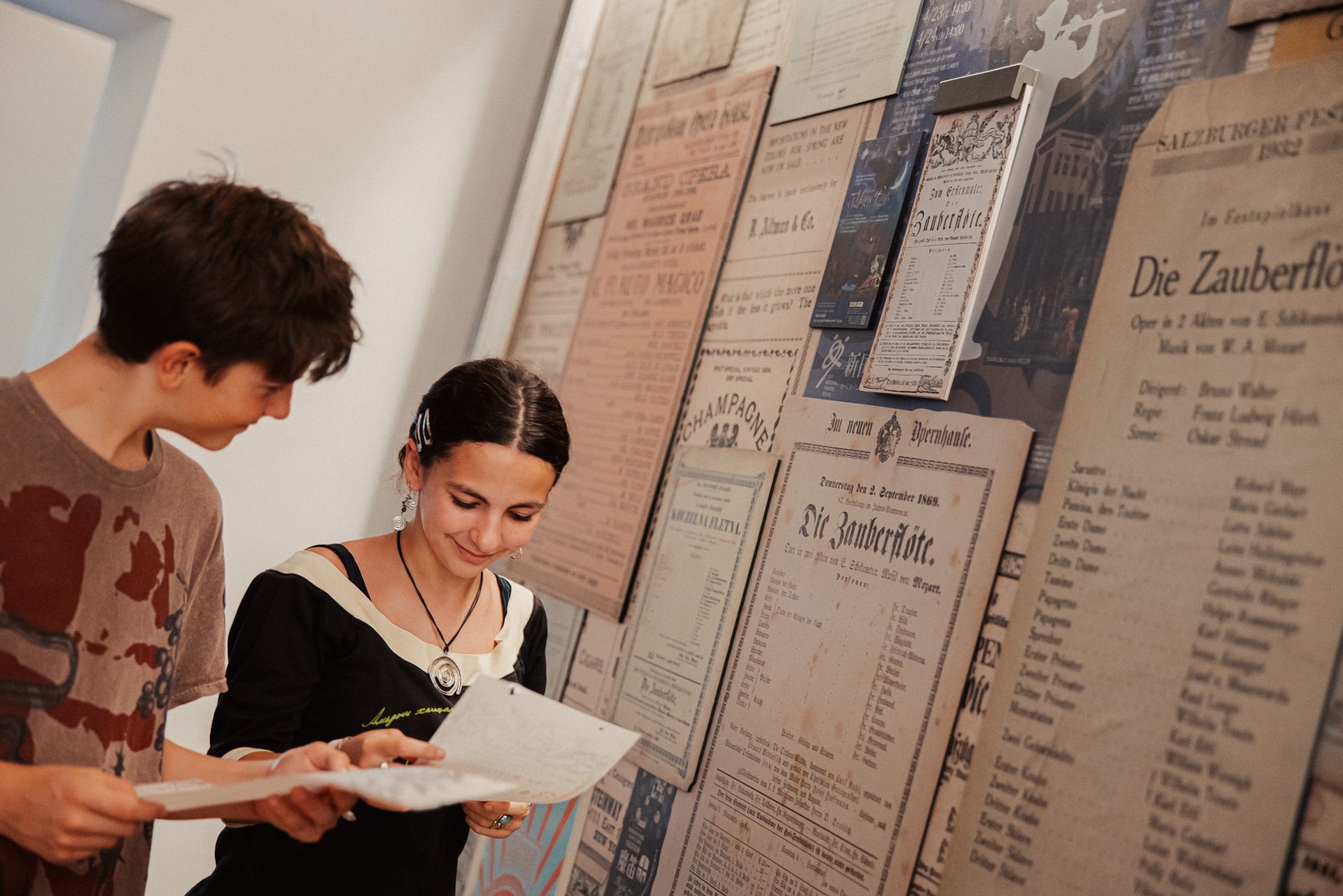
The second floor is dedicated to Mozart’s music – and to the people with whom he created it. At the center are his Viennese operas Le Nozze di Figaro and Don Giovanni, as well as his close collaboration with librettist Lorenzo da Ponte.

The media installation Figaro Parallelo shows how conductors and directors from around the world continually reinterpret Mozart’s work – a vivid demonstration of its timeless relevance.

07 31 Luxus und Geldsorgen
DSCF6107 1 k01 low Res
DSCF6091 1 k01 low Res

Mozart's Apartment

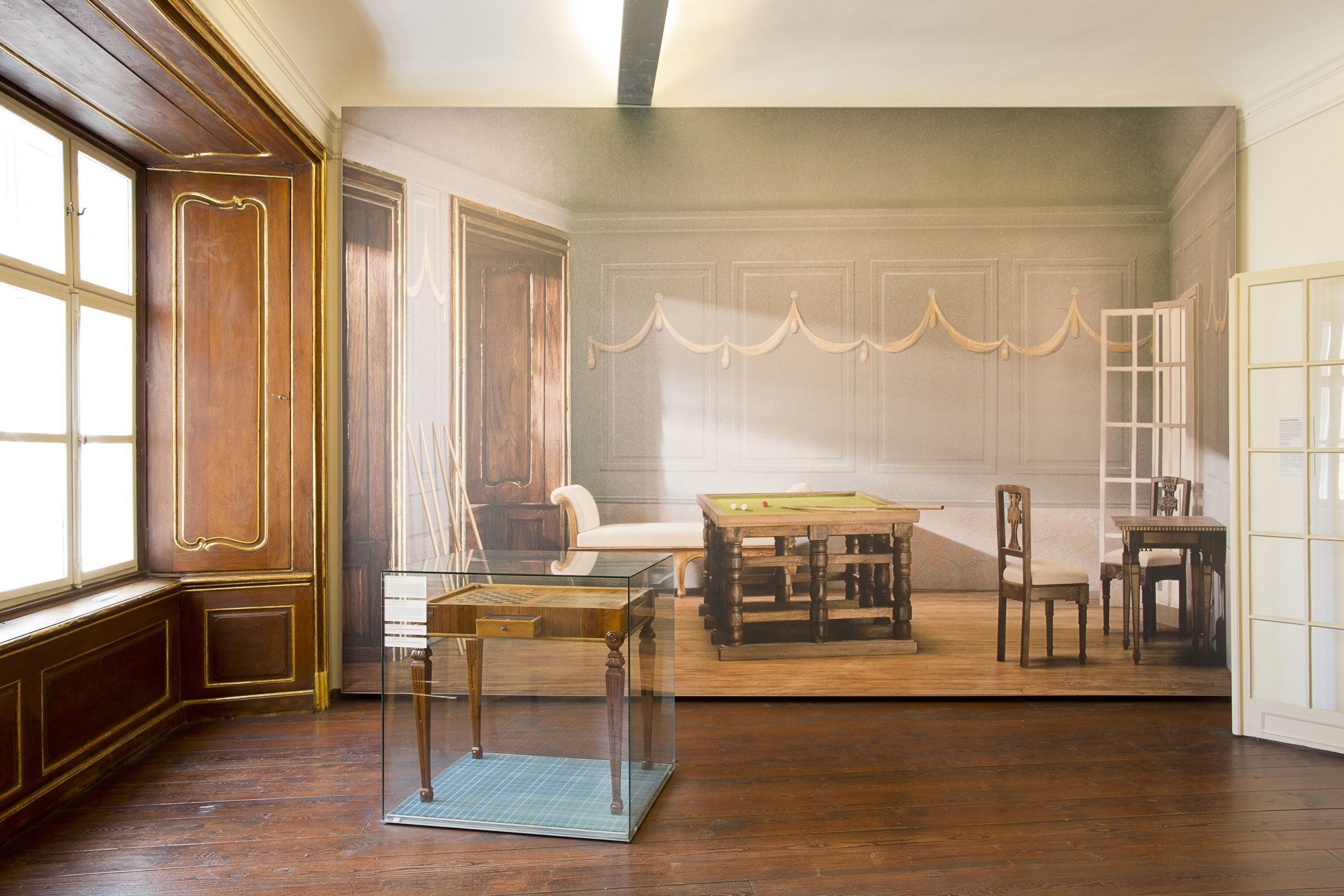
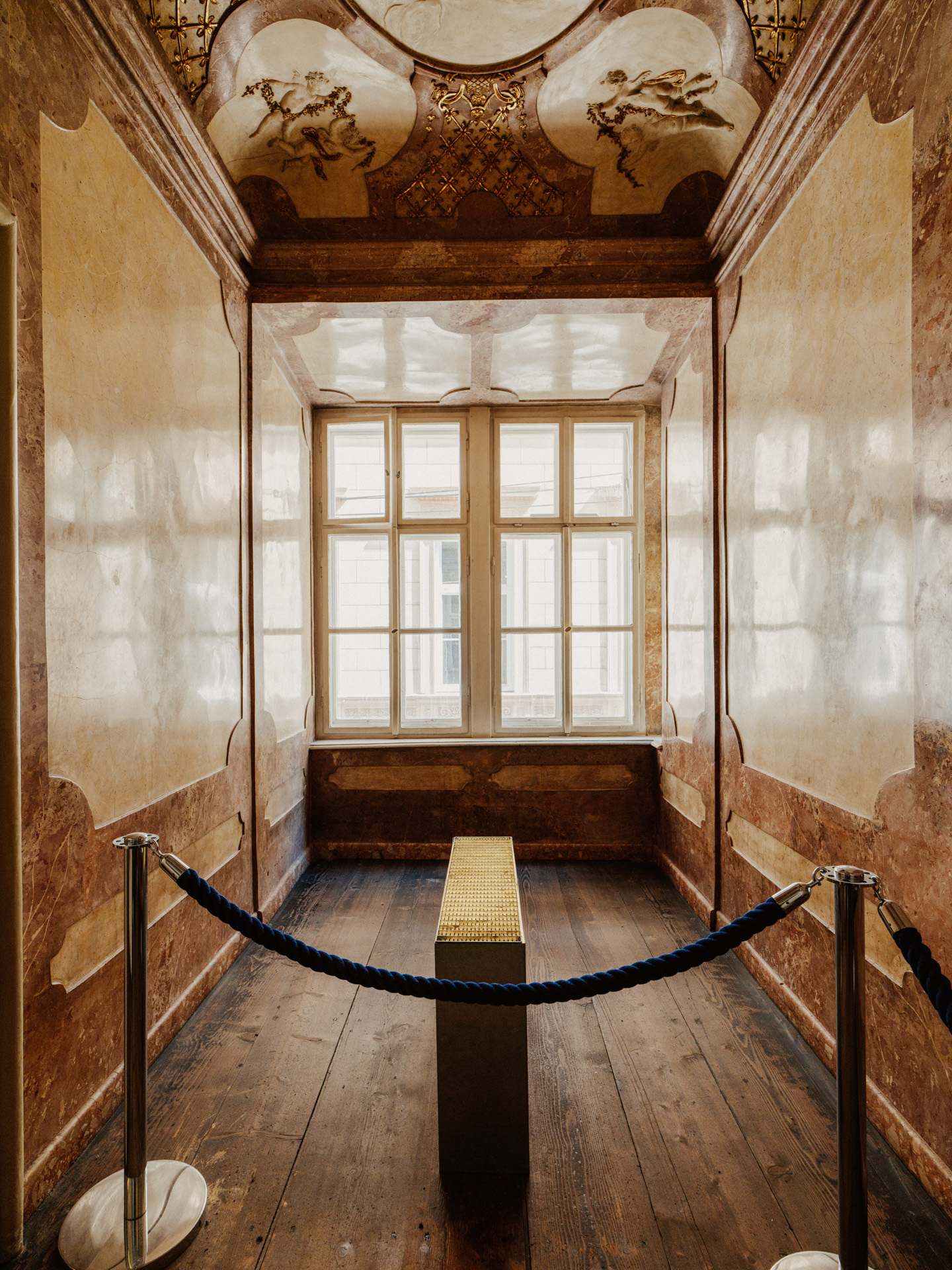
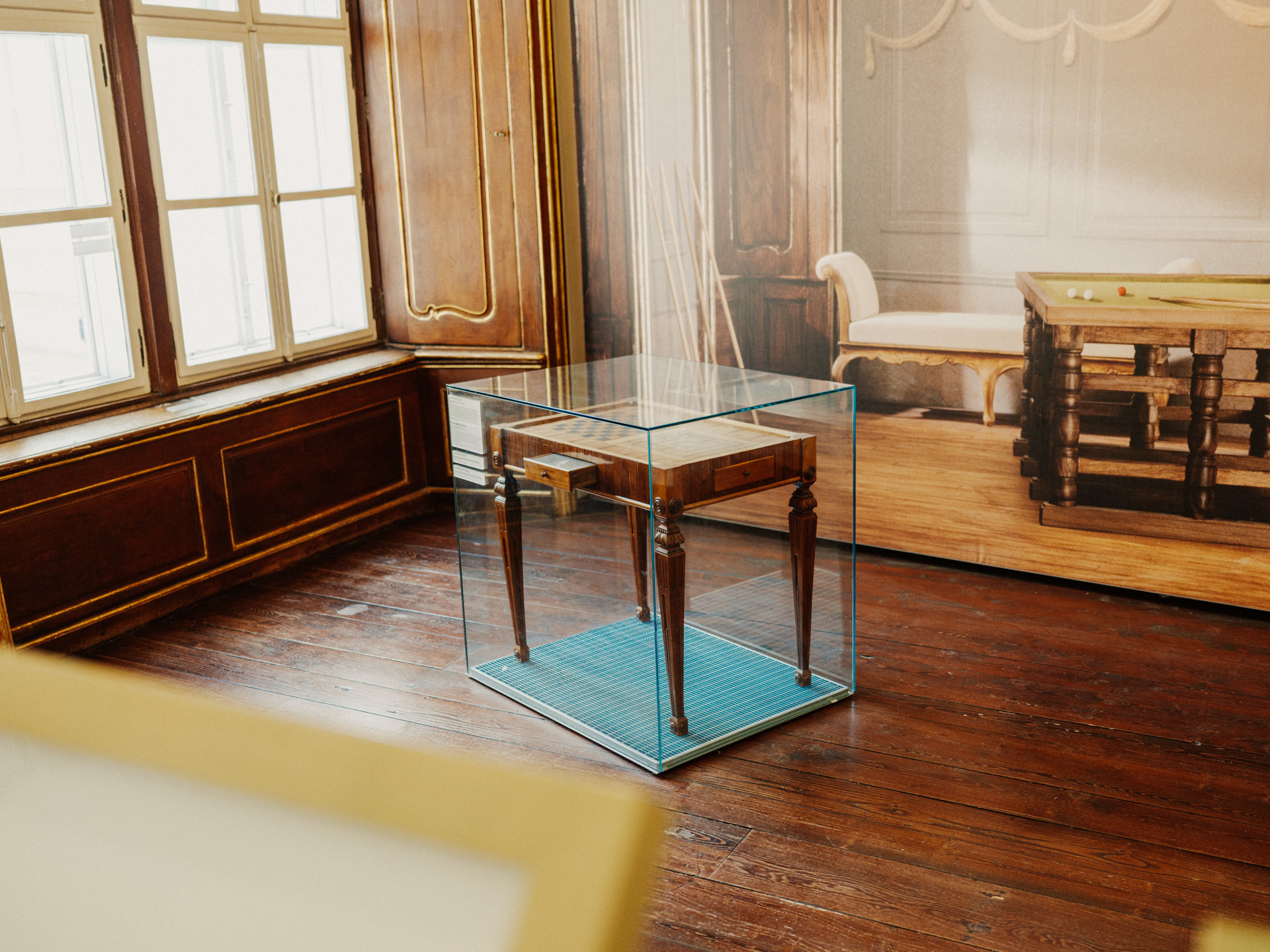
The largest, most elegant, and most expensive apartment Mozart ever lived in. Four rooms, two cabinets, a kitchen – and the place where some of the most significant works in music history were created.

Using images and documents, you can trace Mozart’s everyday life here: how he lived, worked, and composed. On display are, among other things, a magnificent flute clock from around 1790 that plays a variation of his “Andante for a cylinder in a small organ” (KV 616), as well as a replica of his pianoforte – a hammer piano built in 1972 by Alfred Watzek using the materials and methods of the late 18th century.

240530033 c Alexander Ch Wulz
240530026 c Alexander Ch Wulz
240530003 c Alexander Ch Wulz

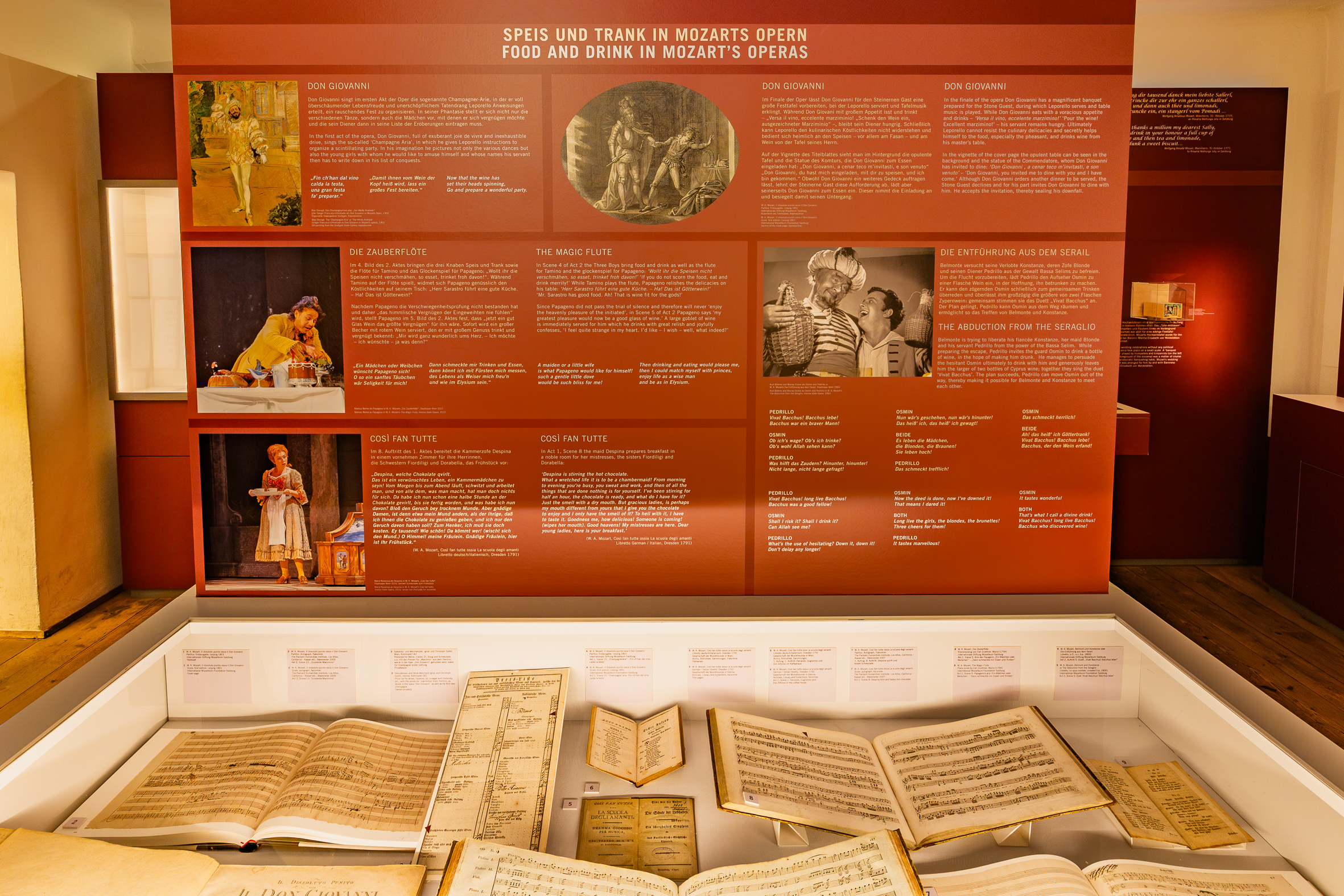
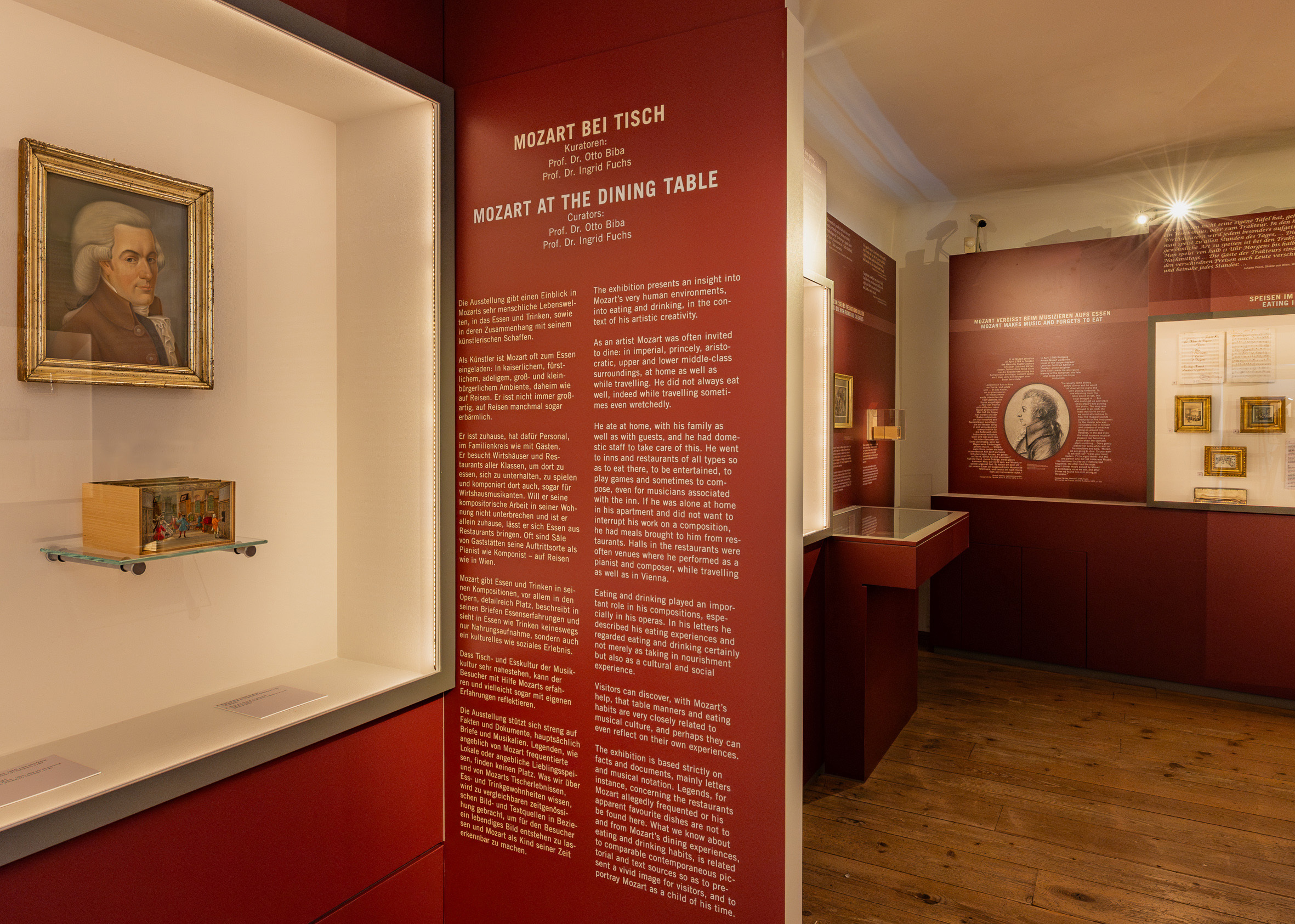
Mozart at the Table

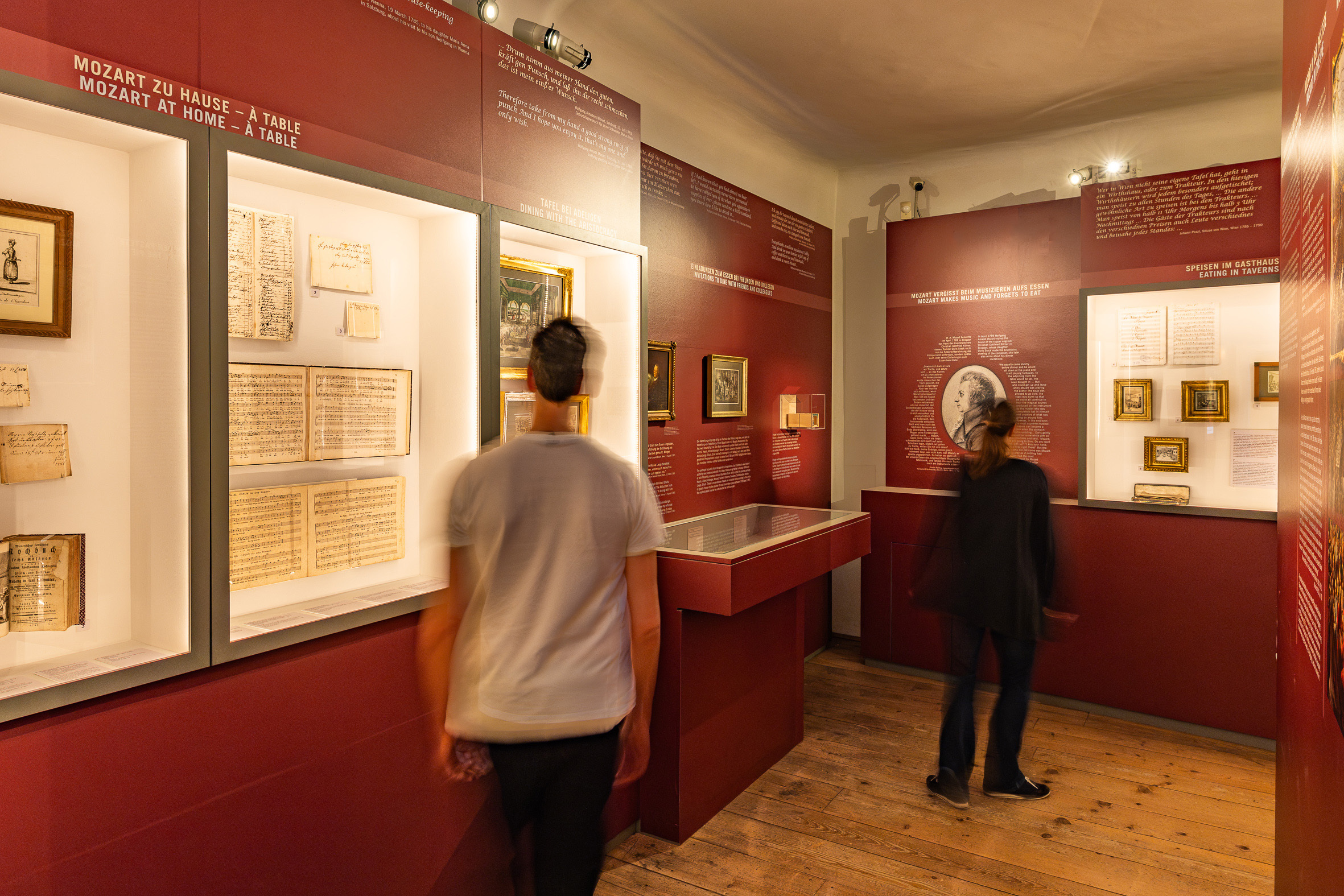
Mozart ate, drank, and enjoyed life – with the same passion with which he composed. This exhibition shows Mozart as a human being: invited to imperial banquets and bourgeois feasts, out and about in taverns and restaurants, at home with family and guests.

Food and drink run through his entire life and work. In his letters, he describes eating experiences with the same vividness as his music. In his operas, he gives table and drinking culture detailed space. And when he did not want to be disturbed in his apartment, he had his meals delivered.

The special exhibition “Mozart at the Table” follows the sources consistently: letters, scores, documents. No legends, no supposed favorite dishes – only what is actually documented. Mozart as a child of his time, made tangible through what he ate, drank, and wrote about.

IMG 9044
IMG 7836 2
K6 A7330 1 k01 low Res
K6 A7148 1 k01 low Res
K6 A7195 1 k01 low Res

Mozart to go

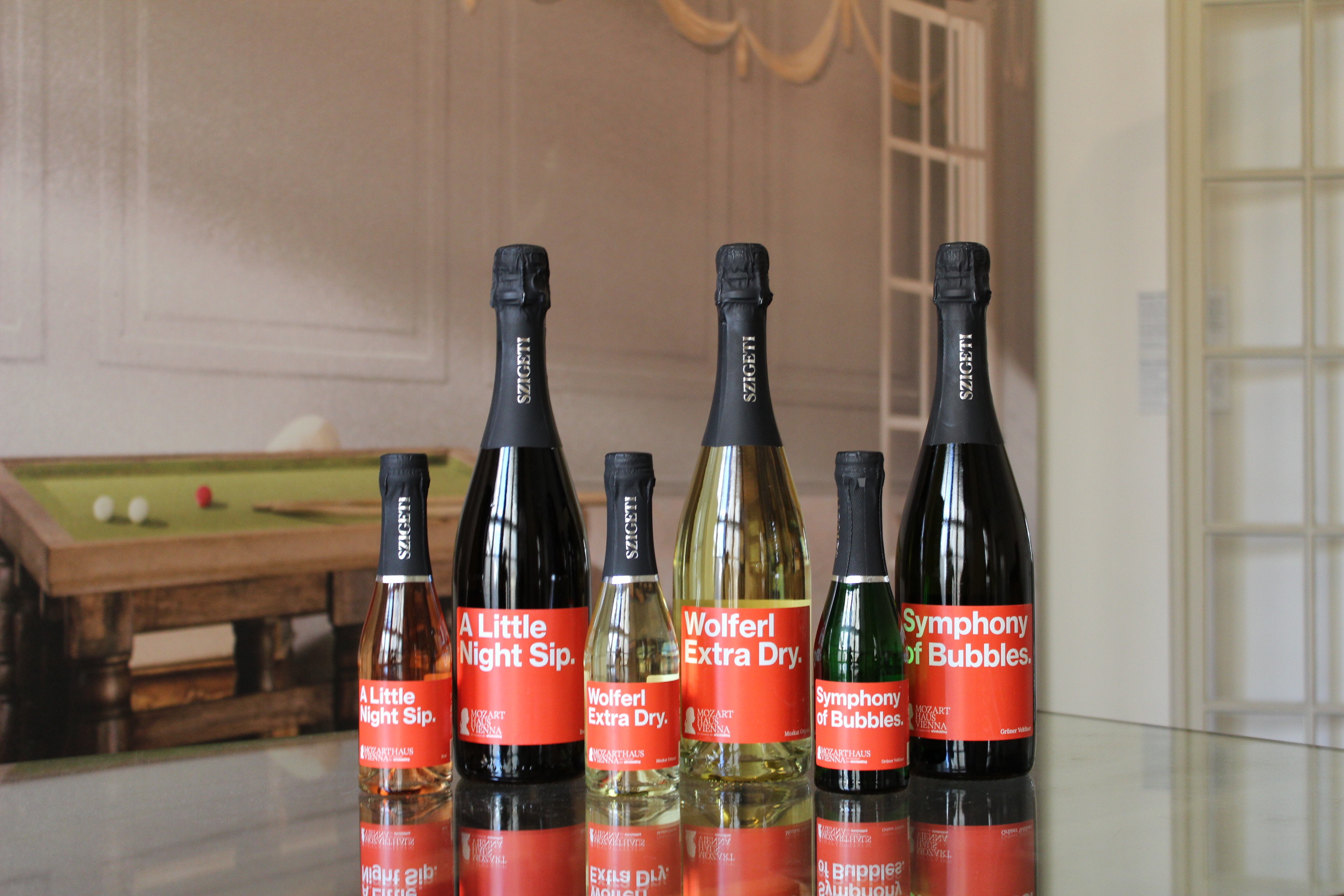
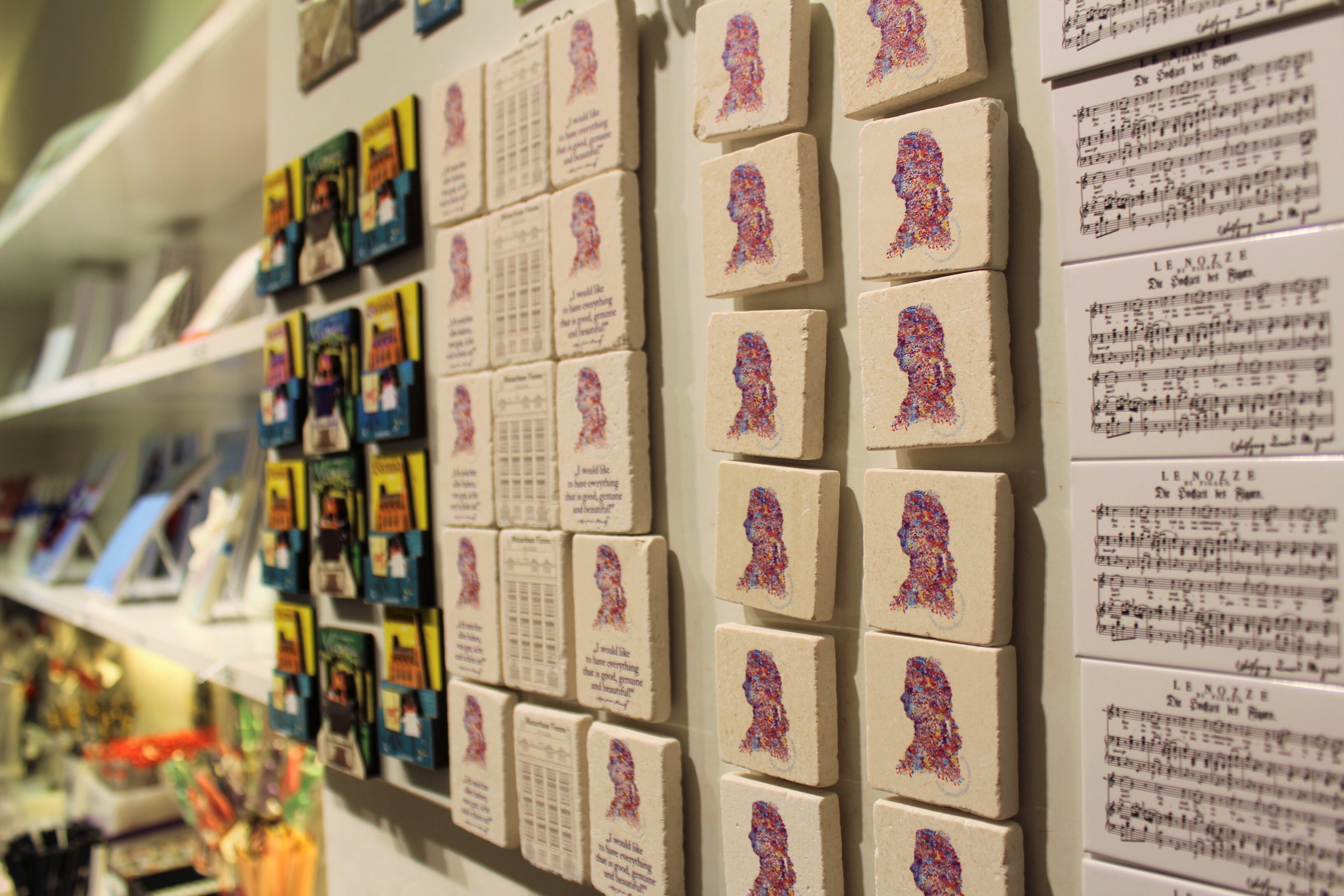
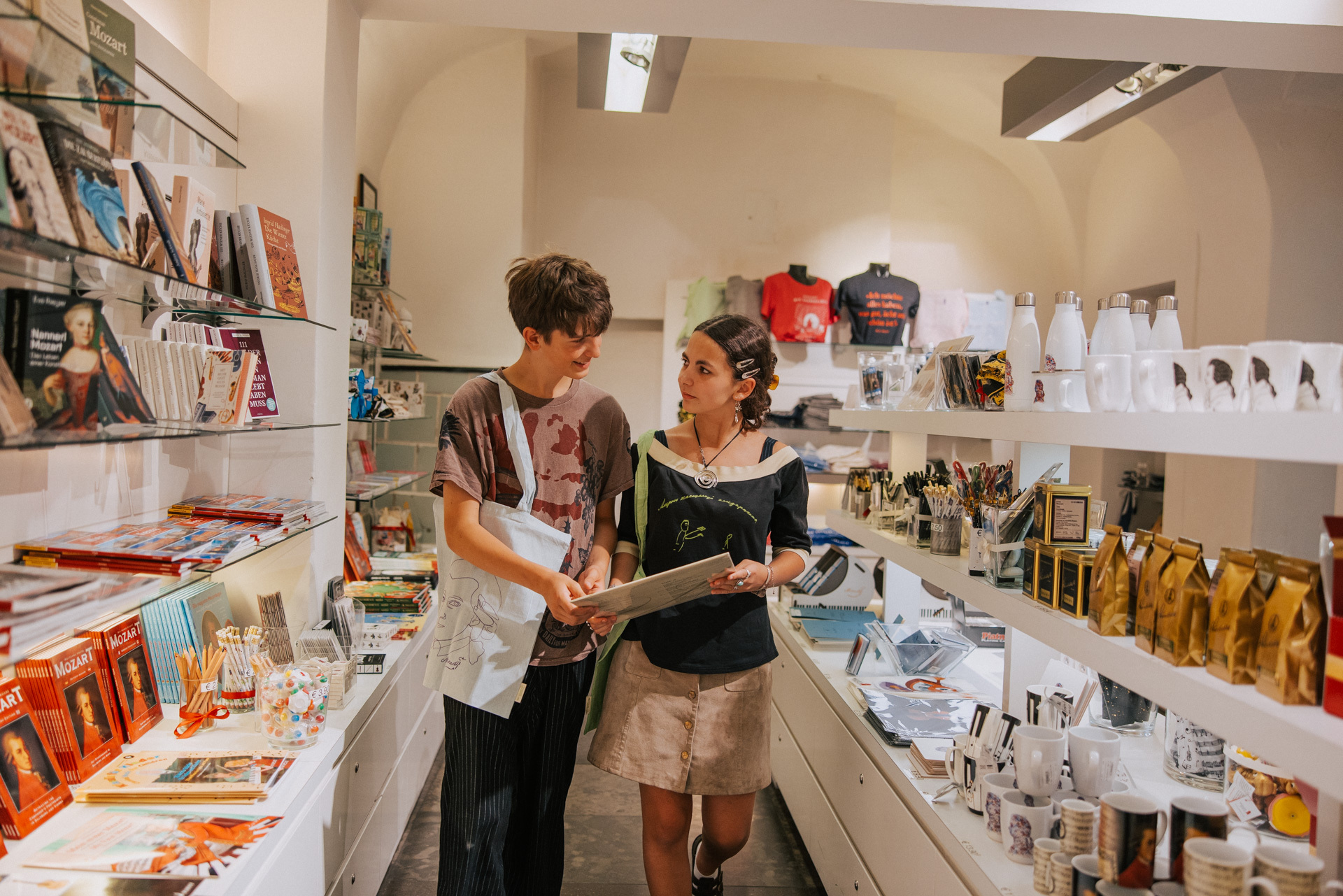
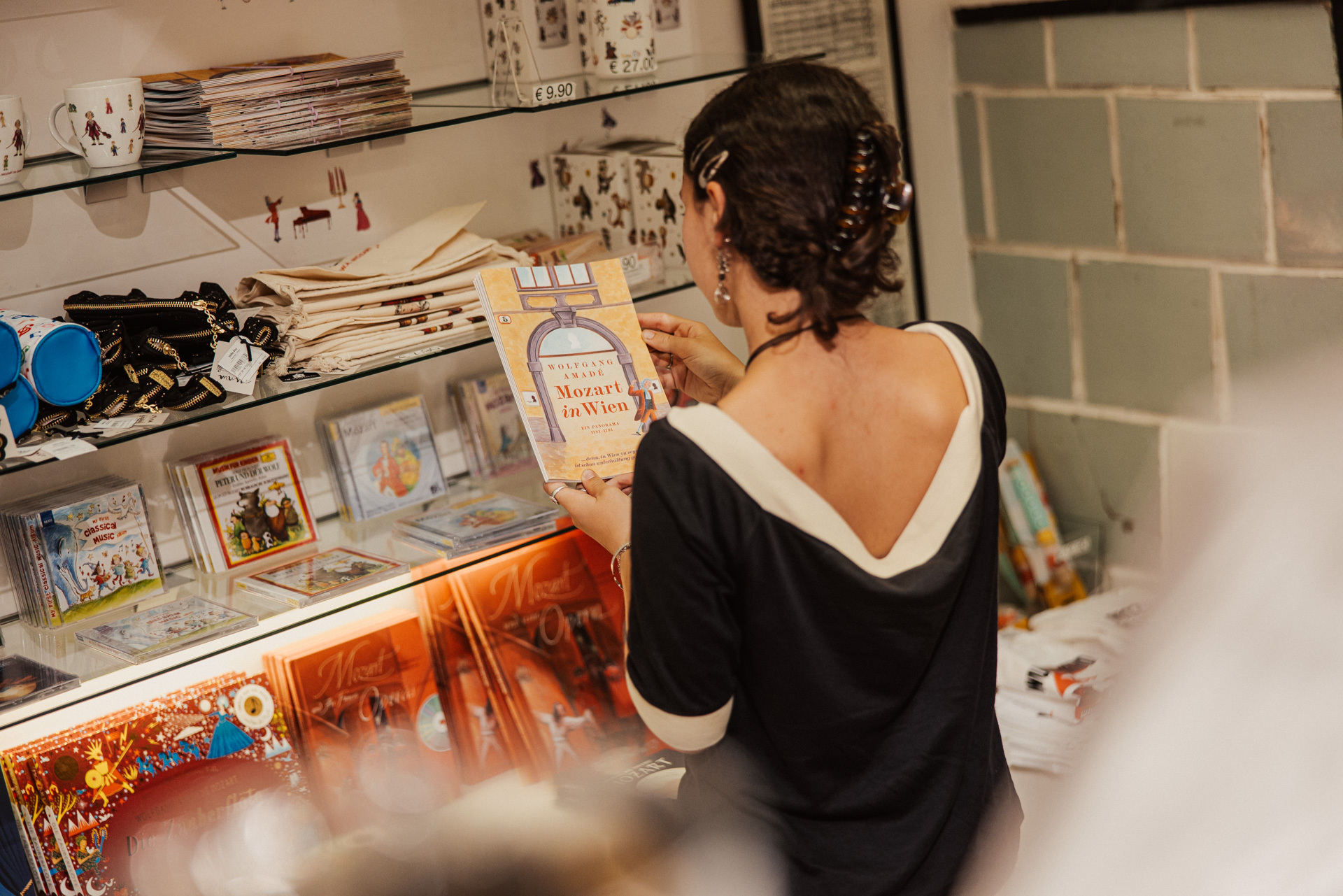
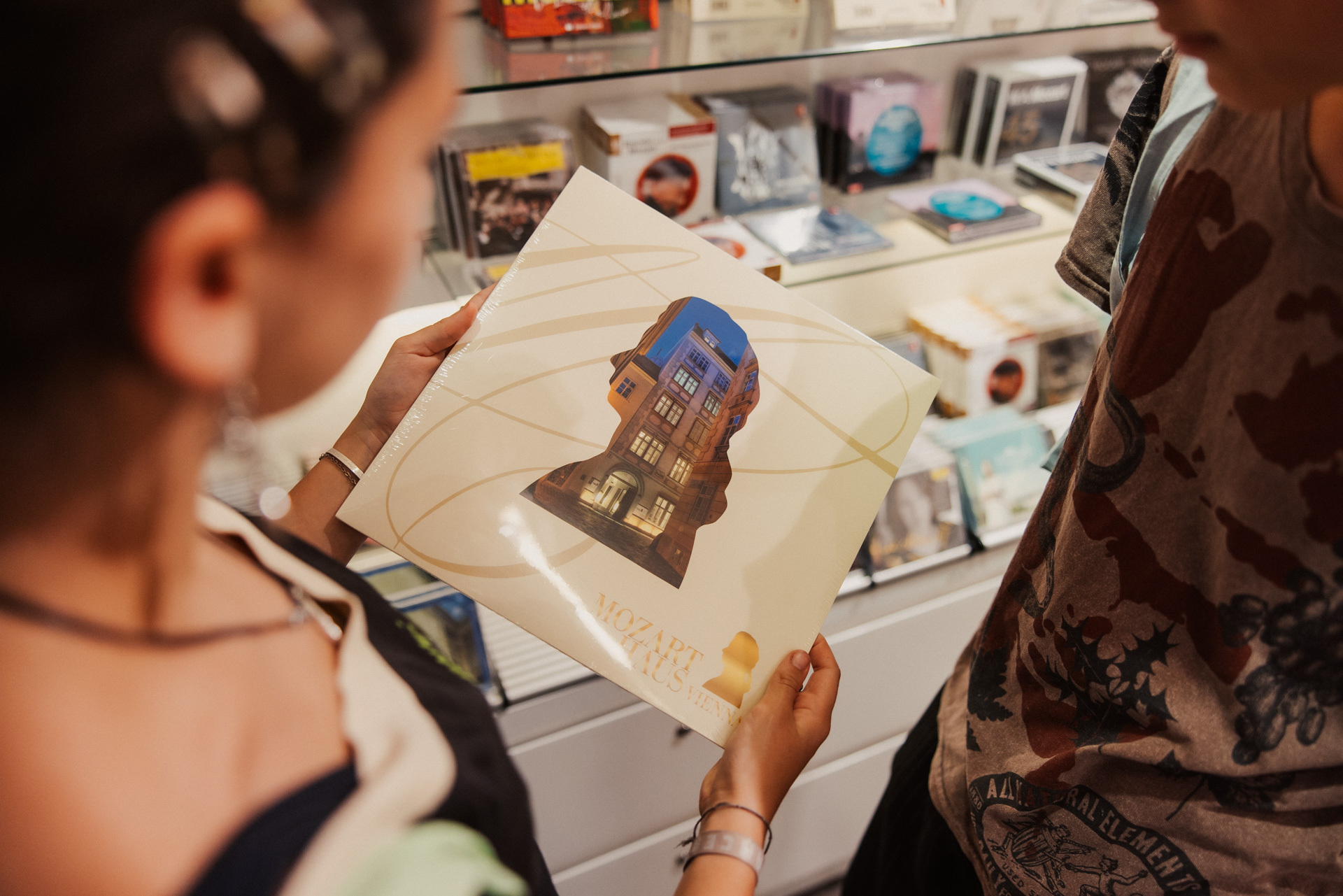
The shop of the Mozarthaus Vienna is more than a souvenir store. The assortment combines classic mementos with carefully curated products: exclusive CDs and our in‑house LP, sheet music, gift items, and a large range of proprietary products available only here.

In addition, there are high‑quality textiles such as scarves, bags, and T‑shirts, as well as a lovingly assembled children’s selection featuring Mozart literature, music boxes, and more. Particular emphasis is placed on sustainable products and regionally manufactured goods.